Earlier this month I was in Bali for my 200 Hour Yoga Teacher Training with ULU. The experience was invigorating, exhausting, and life changing all at once.
It was also very humbling. While my practice and understanding of Yoga deepened tremendously, something else was going on.
My lower back was on FIRE.
Svasana was met with shooting pain there and an inability to get comfortable. Two days into yoga teacher training I realized a valuable lesson.
Yoga was not going to save me from my anatomy.
I have slight scoliosis, an anterior pelvic tilt, and a booty. Nothing about my body is flat or naturally lies flat.
I was going to have to accept MY body and work with it. If I forced it into performative submission, eventually I was going to injure it.
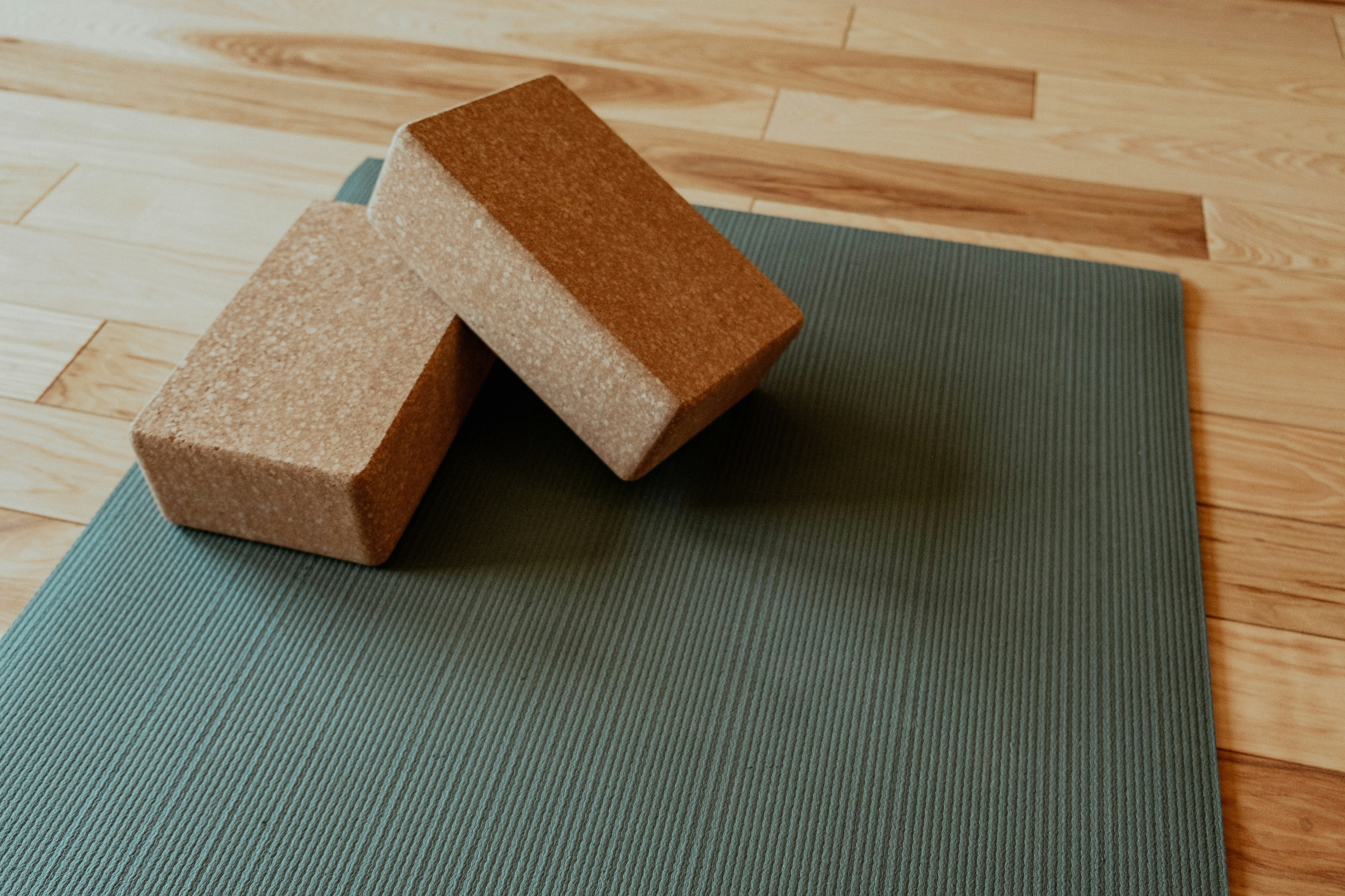
The experience was also showing me a sneaky limiting perspective that I had about props and their indication of my level and abilities. Using props when I needed wasn’t an option, it was necessary to practice safely without exacerbating my conditions.
Accepting my body’s state, and practicing asanas from that space resulted in a shift in my practice during the program.
I quickly began using a bolster or blocks whenever I needed to support my lower back, alignment, and executing poses properly. In other instances, I modified some poses or simply didn’t force myself into them.
It. Made. A. Difference.
I also took note of which asanas I felt myself dumping into my lower back or any pain. It was information I’d take back with me to upcoming doctors and chiropractor visits to devise a plan.
This made space for a couple new perspectives to replace the limiting one with:
My body is my body. I can spend the time and energy frustrated that it’s not doing what I want and force things, or I can spend the time and energy understanding what’s going on and learn how to work with it.
Props aren’t an indicator of someone’s level in their yoga practice. They make asanas accessible to various bodies and conditions no matter what their level or years of practice is.
Yoga wasn’t going to fix my scoliosis and APT, and being in denial of or rejecting that was not going to enhance or expand my practice.
My training showed me where I needed more dedicated medical attention to support me. Working with a chiropractor, and working with trained professionals on increasing my core strength and mobility based on my unique body’s needs were going to help me safely increase my range of movement on and off the mat.
Accepting my anatomy without the judgement helped me to see I will probably always need props in parts of my practice, and THAT’S OKAY.
All bodies are not the same. They weren’t designed to be either.
Props (in addition to pose modifications) offer equitable access to your practice. They help your practice meet you where you’re at.
Yoga is about self acceptance, self love, and meeting ourselves with compassion— not judgement.
Whether you started your yoga practice yesterday, or 10+ years in like me, use the props if you or your body needs them. Let them help make your practice yours safely and meaningfully.
About the author
Milan Noelle Staples
•
200-hour certified Vinyasa and Hatha instructor
Recommended from Ulu Yoga

10 min read
•
Jun 17, 2025
Between prayer and presence (pt.2)
What India taught me about the line between religion and spirituality
Sarah Musić

8 min read
•
Jun 17, 2025
Between prayer and presence (pt. 1)
What India taught me about the line between religion and spirituality
Sarah Musić

4 min read
•
Jun 17, 2025
Yoga doesn't just change my body, it changes me
Yoga is often seen as a purely physical practice, but it is truly a bridge to the self. By slowing the breath and staying present, yoga regulates the nervous system, rewires the brain, and profoundly reshapes how we relate to our thoughts, emotions, and the world.
Ece Ozarslan